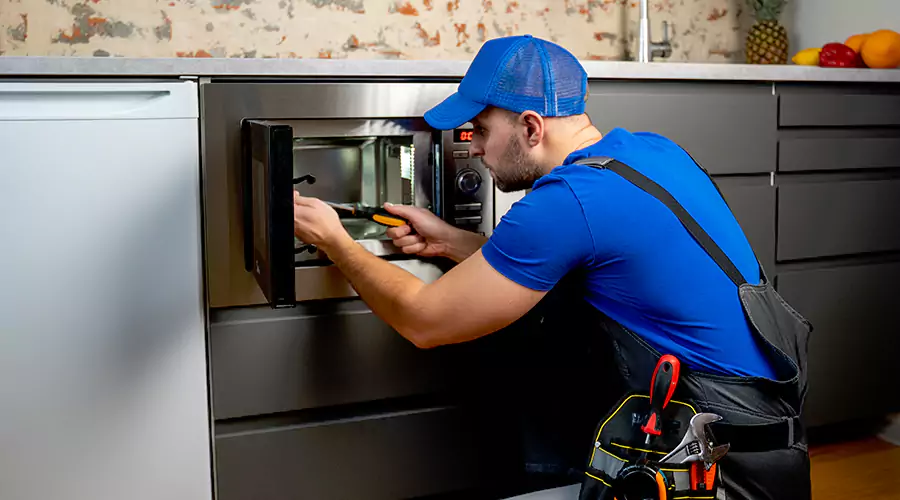
A microwave is one of the most used appliances in many homes. It helps with quick meals, reheating leftovers, warming drinks, thawing frozen food, plus saving time during busy routines.
Microwave repair becomes important when the appliance stops heating, sparks, makes strange sounds, or shows signs of electrical trouble. Some issues may look small at first, but microwave problems can involve high-voltage parts that need careful professional service.
Why Microwave Problems Need Attention?
Many microwave issues start with small changes in performance. Food may heat unevenly, the turntable may stop moving, buttons may fail, or the appliance may make a louder sound than usual.
Small warning signs can become bigger problems when homeowners keep using the unit. A microwave that smells hot, sparks, or shuts off suddenly should be checked before it creates a safety concern.
When the Microwave Stops Heating?
A microwave not heating problem is one of the most common signs of failure. The appliance may run, light up, plus spin normally while the food stays cold.
This issue may involve a magnetron, diode, capacitor, door switch, or control system. Since heating parts can hold dangerous voltage, homeowners should avoid internal repairs without proper training.
When the Microwave Stops Working?
A microwave stopped working issue can happen because of a blown fuse, faulty door switch, electrical failure, or control board problem. Sometimes the unit may lose power completely.
Before calling service, check the outlet, breaker, plus power cord if it is safe. If the microwave still does not respond, a technician should inspect the internal parts.
Unusual Microwave Noises
A microwave making noise can point to a turntable motor, cooling fan, magnetron, or internal drive issue. Buzzing, grinding, rattling, or humming sounds that seem louder than normal deserve attention.
Noise during operation should not be ignored when it appears suddenly. A service visit can help identify whether the sound comes from a worn part or a deeper electrical issue.
Sparking Inside the Microwave
A microwave sparking problem can happen when metal enters the appliance, food debris burns, the waveguide cover gets damaged, or an internal part fails. Sparks can also appear from chipped paint or exposed metal inside the cavity.
Stop using the microwave if sparking continues after removing unsafe items. A technician can inspect the interior, waveguide cover, turntable parts, plus electrical system.
Turntable Not Moving
A microwave turntable not spinning issue can cause uneven heating. The food may stay cold in some spots because it does not rotate through the microwave energy evenly.
This problem may come from a broken turntable motor, damaged roller guide, misaligned glass tray, or faulty coupler. Basic cleaning may help, but repeated failure needs inspection.
Door Will Not Close Properly
A microwave door not closing problem can stop the unit from starting. The door latch, hinge, seal, or interlock switch may be damaged or misaligned.
Microwave doors are part of the safety system. If the door does not close firmly, avoid using the appliance until the issue is repaired.
Buttons Stop Responding
A microwave buttons not working issue can make it hard to select cooking time, power level, or preset options. The keypad may fail because of moisture, wear, control panel damage, or board failure.
Some buttons may respond while others stop working. A technician can test whether the problem comes from the keypad or the control system.
Display Screen Failure
A microwave display not working problem can make the appliance difficult to use. The microwave may still heat, but the screen may go dim, flicker, or stay blank.
Display problems may involve the control board, wiring, or power supply. Professional diagnosis can confirm whether repair is practical.
Burning Smell During Use
A microwave burning smell can come from food splatter, overheated debris, damaged wiring, failing components, or a stressed motor. If the odor appears during normal use, stop the appliance right away.
Cleaning the interior may solve minor food-related smells. Persistent burning odors need professional service because electrical parts may be involved.
Fuse Problems
A microwave fuse problem can cause the appliance to shut off or lose power. Fuses may blow because of power surges, faulty door switches, shorted parts, or internal electrical failure.
Replacing a fuse without finding the cause can lead to repeat failure. A trained technician can test the related parts before installing a new fuse.
Magnetron Problems
A microwave magnetron problem can prevent the appliance from heating food properly. The magnetron is the part that creates microwave energy for cooking.
Magnetron failure can cause weak heating, loud humming, burning smells, or total heating loss. This repair requires professional handling because the microwave contains high-voltage components.
Electrical Concerns
A microwave electrical issue should always be taken seriously. Warning signs may include sparks, burning smells, breaker trips, sudden shutdowns, flickering display, or power loss.
Electrical failures can create safety risks if the microwave keeps running. Stop using the unit until a qualified technician checks the appliance.
Power Problems
A microwave power problem may come from the outlet, breaker, fuse, cord, door switch, or control board. The appliance may turn off during use or fail to start at all.
Homeowners can safely test another small appliance in the same outlet if there is no burning smell or visible damage. If the outlet works, the microwave likely needs service.
Overheating Problems
A microwave overheating issue can happen when ventilation is blocked, the fan fails, or internal parts work under strain. The cabinet may feel hotter than normal or the unit may shut off during use.
Blocked vents can shorten the life of the microwave. Keep the area around the appliance clear, then schedule service if overheating continues.
Built In Microwave Service
Professional built in microwave repair is useful when the appliance is installed above a wall oven, inside cabinetry, or above a range. Built-in models require careful removal, ventilation checks, plus secure reinstallation.
These units may also connect with trim kits or dedicated electrical setups. A technician can inspect the microwave without damaging surrounding cabinets.
Countertop Microwave Service
Reliable countertop microwave repair can help when a portable unit has heating, power, door, or control problems. Countertop models are easier to move, but internal parts still require caution.
Repair may make sense when the microwave is newer or higher quality. A technician can explain whether fixing the unit is worth the cost.
Why Professional Repair Matters?
Trusted microwave repair services help homeowners avoid unsafe guesswork. A service visit may include inspection, testing, diagnosis, repair options, plus final performance checks.
Skilled professional microwave repair matters because microwaves contain parts that can hold electrical charge even after unplugging. Proper service protects both the appliance plus the person handling the repair.
High-Voltage Microwave Safety Briefing
| Issue | Common Causes & Symptoms | Critical Safety Actions |
|---|---|---|
| Sparking Inside Cavity | Metal objects, burning food debris, damaged waveguide cover, chipped paint, or internal component failure. | Immediate Stop. Remove all metal/debris. If sparking continues, unplug. Technician must inspect. |
| Burning Smell During Use | Overheated debris, damaged wiring, failing magnetron/motor, or stressed electrical parts. | Emergency Shutdown. Unplug instantly. Persistent odor, possible fire hazard. Professional service required. |
| Door Will Not Close Properly | Faulty latch, hinges, seal, or interlock switches. | Safety System Compromised. Do not force or bypass. Qualified repair mandatory before reuse. |
| Magnetron Problems | Failing high-voltage microwave energy source. Weak/no heating, loud humming, burning smells. | High-Voltage Core Component. Requires specialized tools and training. Stop using it. |
| Unusual Noises | Worn turntable motor, cooling fan, magnetron, or drive components. | Cease operation and schedule technician inspection to prevent catastrophic failure. |
| Overheating Problems | Blocked vents, failed cooling fan, or overloaded internal parts. Hot exterior or frequent auto-shutdown. | Clear all ventilation immediately. Risks fire and component damage. Professional service essential. |
| Fuse Problems | Power surges, shorted components, or faulty switches. Unit loses power repeatedly. | Never replace fuse without diagnosis. Repeated failure indicates serious internal electrical fault. Technician only. |
Home Microwave Service
Convenient home microwave repair allows a technician to inspect the unit where it is used. This helps them review the outlet, ventilation, installation space, door alignment, plus power behavior.
Quality residential microwave repair supports the daily needs of families, renters, homeowners, plus busy kitchens. Restoring a microwave can bring convenience back without immediate replacement.
Role of the Technician
An experienced appliance repair technician can test the microwave safely, explain the problem, then recommend the right repair option. This helps homeowners understand whether the issue is minor or serious.
A good technician also checks the appliance after repair. Final testing confirms heating, controls, door safety, fan operation, plus normal performance.
Troubleshooting Before Service
Basic microwave troubleshooting can help rule out simple issues. Check the following options carefully:
- Outlet functionality and power source
- Breaker box status
- Door closure and latch alignment
- Turntable plate and support placement
- Power level settings
- Visible food debris inside the cavity
Avoid opening the microwave cabinet or touching internal parts. If the problem involves sparks, burning smells, heating failure, or power loss, schedule professional service.
When Emergency Service Is Needed?
Urgent emergency microwave repair may be needed when the microwave sparks, smells like burning, trips the breaker, overheats, or will not shut off. Safety issues should never be delayed.
Turn off the appliance immediately if it creates risk. Keep the unit unplugged when safe, then contact a qualified technician for inspection.
Finding Local Microwave Help
Searching for microwave repair near me can help homeowners find nearby service when the appliance fails. Local support may offer faster scheduling plus better knowledge of common household microwave problems.
A reliable repair provider should communicate clearly, explain the estimate, plus give practical guidance before starting work. Clear answers help homeowners decide whether repair or replacement makes more sense.
Final Thoughts
A microwave usually gives warning signs before it fails completely. Poor heating, sparking, strange sounds, power loss, door trouble, display failure, plus burning smells all deserve attention.
Professional repair can restore safer operation, protect your home, plus help you avoid unnecessary replacement. If basic checks do not solve the issue, call a qualified technician before using the microwave again.